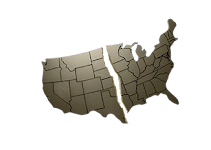

See which government can act, where authority overlaps, and why federalism shapes daily life.
A clear guide to how national, state, local, and shared powers fit together in the American federal system.
Government works best when people can see how power is used and where decisions are made.
The Basic Idea
Federalism divides governing authority between the national government and state governments. The Constitution gives the federal government certain powers, reserves many powers to states and the people, and creates areas where authority overlaps.
Federal Responsibilities
The federal government handles national defense, foreign affairs, immigration, federal taxes, interstate commerce, federal courts, federal benefits, and national rules created under constitutional authority.
State Responsibilities
States handle many areas of daily life: elections administration, public schools, driver licensing, state courts, family law, professional licensing, policing, property records, public health, and many state benefits and services.
How Conflicts Are Resolved
When federal and state law conflict, the Supremacy Clause can make valid federal law controlling. But many programs are cooperative, meaning federal standards and state administration work together.
Why Visitors Should Care
Before contacting government, ask which level owns the problem. A passport is federal. A driver license is state. A zoning permit is local. Health, education, labor, courts, and benefits may involve more than one level.
The practical test is who has authority
Federalism matters most when a reader is trying to solve a real problem. Federal law may control immigration, bankruptcy, patents, federal taxes, national defense, and interstate commerce. State law often controls schools, licensing, criminal law, elections administration, family law, property rules, and many public services. Local governments then carry out zoning, policing, libraries, trash collection, permits, local roads, and public meetings under state law.
Where to go next
Use this page as a routing tool. If the issue involves federal benefits, taxes, passports, immigration, or national records, start with federal resources. If it involves state services, licenses, courts, or elections, start with your state government and official election office.
How to use this page
Use Federalism: State vs. Federal without getting lost.
Federalism questions often come down to which level of government has authority, money, records, enforcement power, or practical responsibility.
Official starting points
Use these sources to check current text, records, deadlines, forms, votes, rules, or public notices.
Quick Link Guide
One-click access to other sections of the government education guide.
Guide To Government
Start with branches, powers, checks, records, and practical resources.
Congress
Lawmaking, representation, committees, and oversight.
Executive Branch
Presidency, agencies, and presidential actions.
Judicial Branch
Courts, cases, and court resources.
Federal Budget
Revenue, spending, deficits, debt, and shutdowns.
Elections
Voting, participation, and official election resources.
Government Resources
Official public service and self-help resources.
Glossary
Definitions, tooltips, and related pages.