
August 3, 2026
The Help Desk with Too Many Doors
Public support often fails not because help does not exist, but because people cannot find the right door at the right moment.
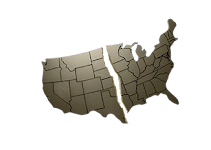
Public support often fails not because help does not exist, but because people cannot find the right door at the right moment.

Getting involved often starts with an awkward public moment, then grows into a habit of knowing where decisions happen and showing up prepared.

The cost of living crisis is not one problem but a chain of housing, transportation, wages, care, debt, and local choices that make stability expensive.

General assistance programs are often local, limited, and confusing, but they can become the bridge between crisis and collapse.

The workplace is not just where wages are earned; it is a structure of information, authority, risk, and power that decides whose judgment counts.

A single week of bills, errands, work schedules, school forms, and one unexpected expense can explain more about American life than a campaign speech.

A humane look at why Americans can live in the same country, follow the same headlines, and still carry different evidence about what is true, urgent, and fair.

When workers have no seat where decisions are made, businesses lose the knowledge of the people closest to the work.

Worker education once promised advancement; today it often arrives as debt, exhaustion, or a maze of credentials unless training meets workers where life actually is.

A raise can look generous on paper and still fail to change a life when rent, insurance, hours, transportation, and debt move faster.