July 24, 2026
The Line That Disappears
Universal benefits can reduce stigma, simplify access, and build political trust, but they must be designed with cost, fairness, and public purpose in mind.
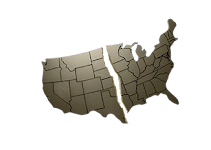
Universal benefits can reduce stigma, simplify access, and build political trust, but they must be designed with cost, fairness, and public purpose in mind.

Employee ownership can turn a business succession problem into a community stability strategy, but only when financing, trust, and training line up.
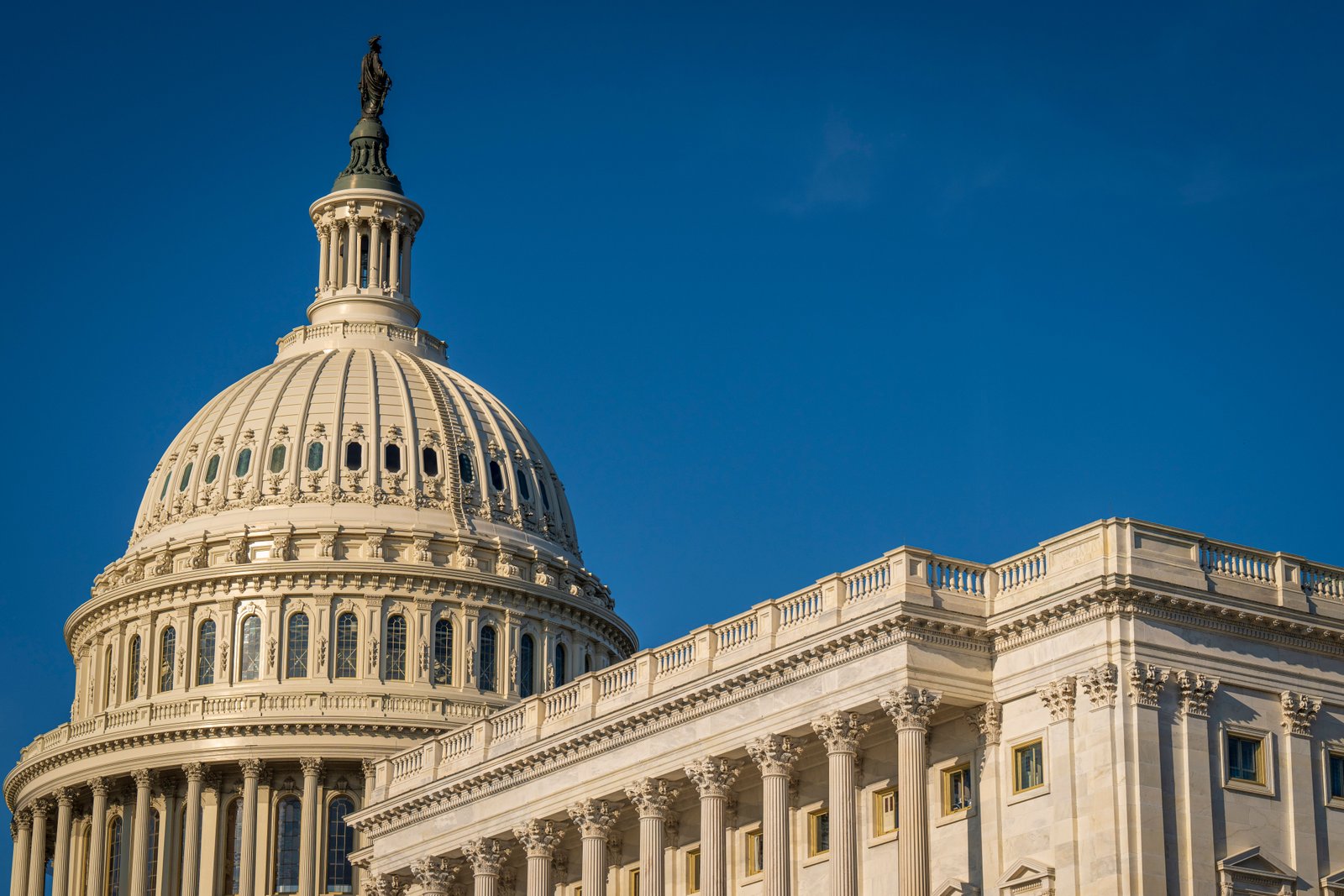
Politics now feels less like a disagreement over policies and more like two rival maps of danger, belonging, and trust.
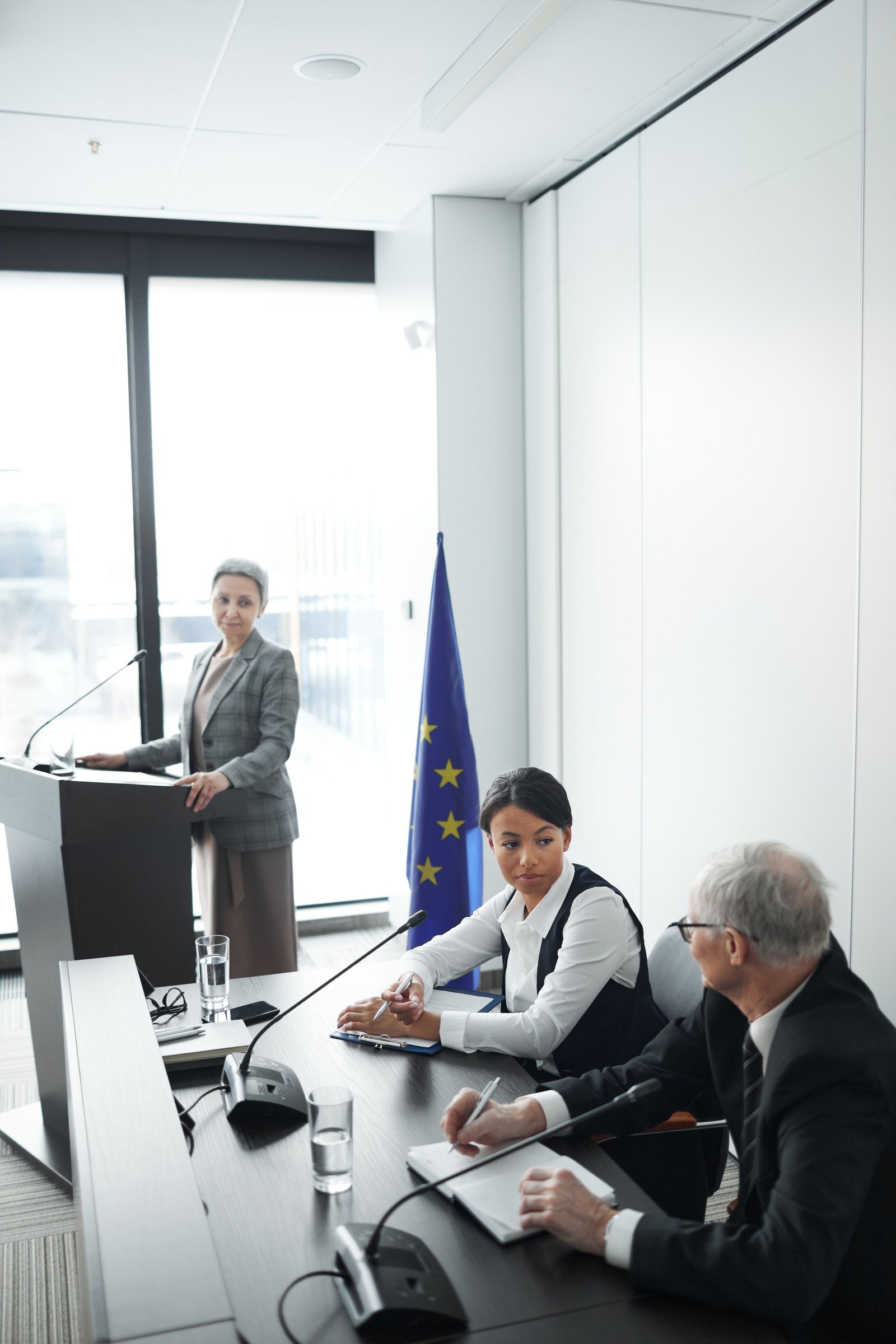
Better government often begins with a simple promise: people should not need to understand the bureaucracy before they can use the service.
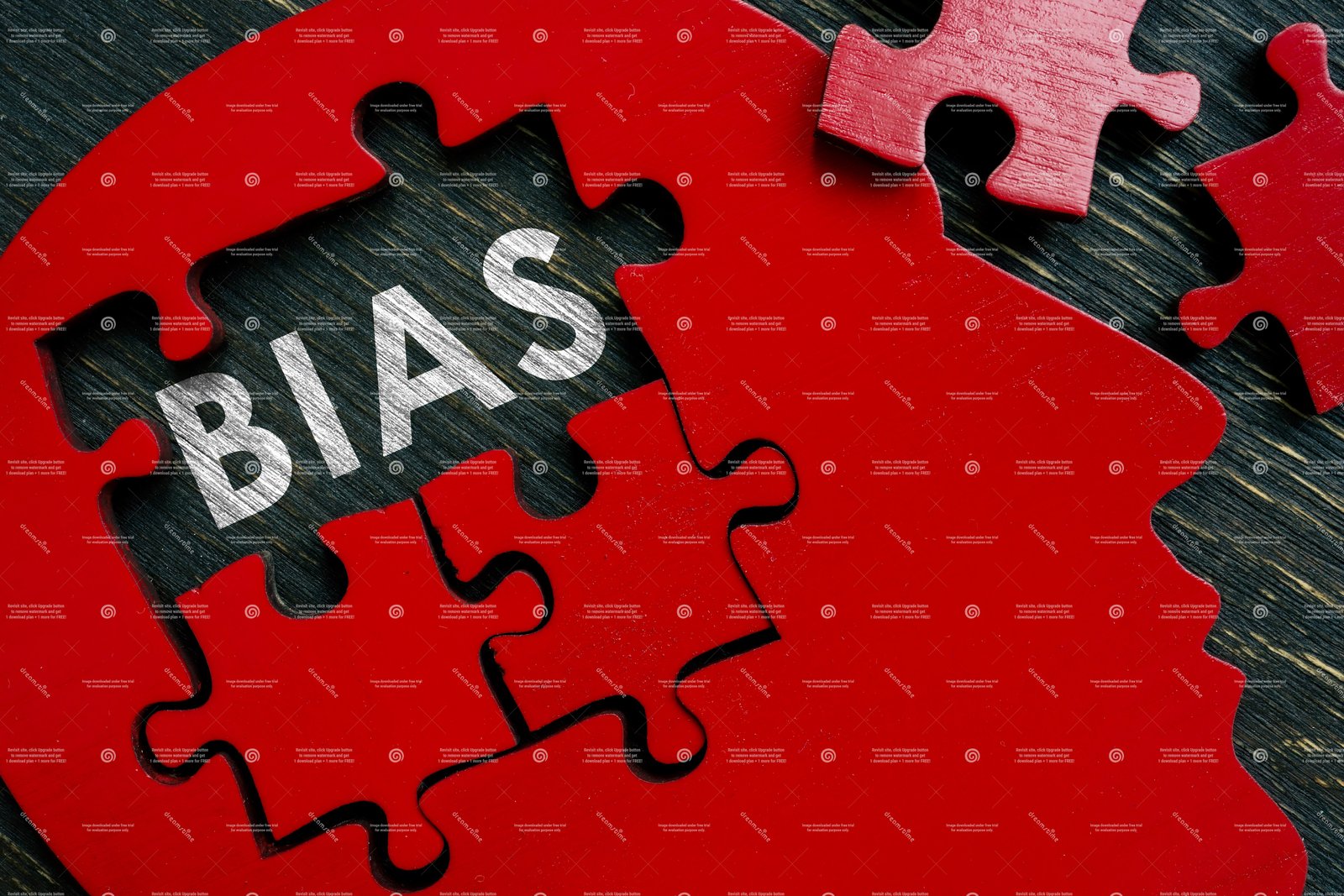
Bias is not only a vice other people have; it is a human shortcut that becomes dangerous when fear, institutions, and algorithms reward it.

Corporate power often hides inside ordinary transactions where people technically agree to terms they have no real power to shape.
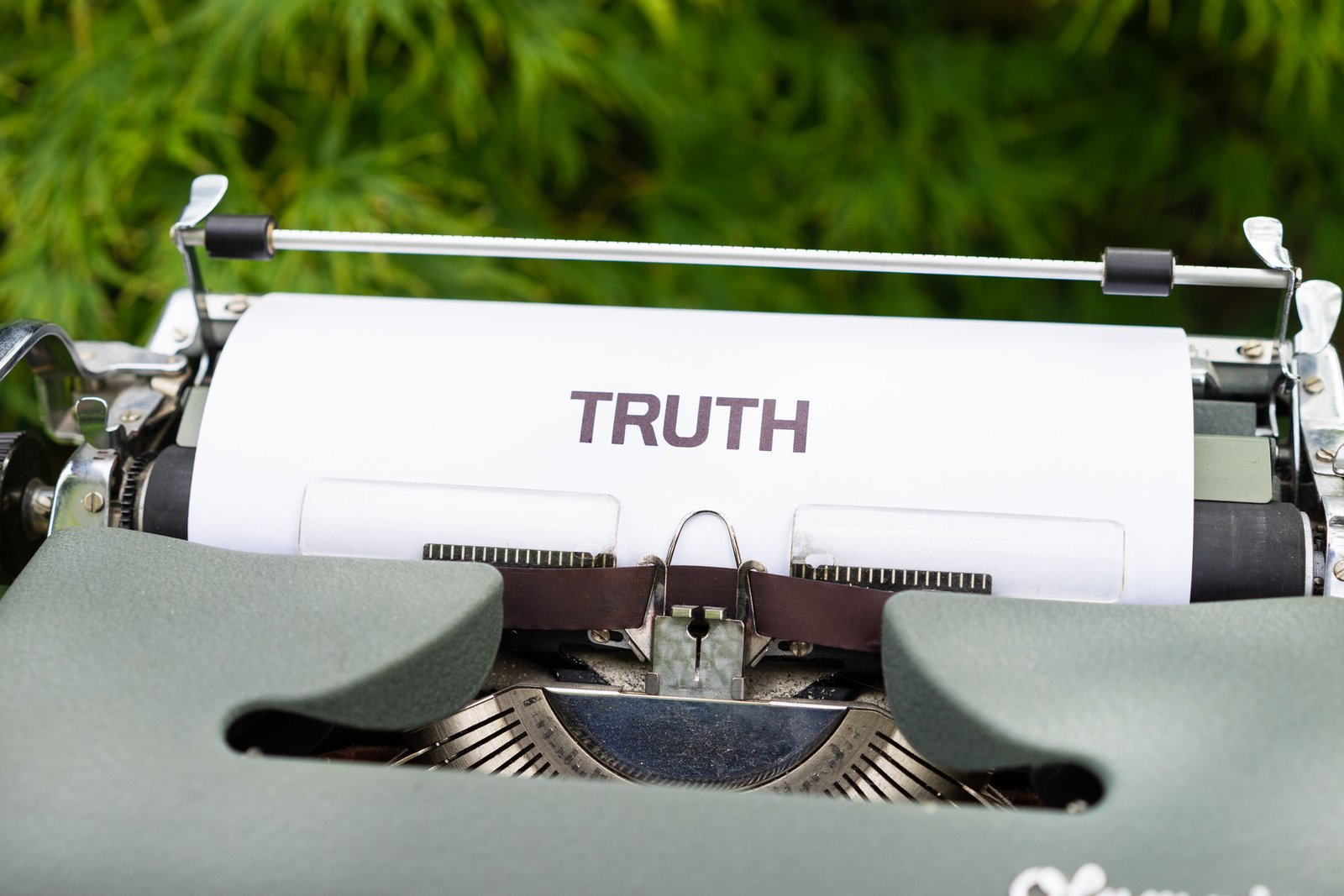
A grocery receipt becomes more than a proof of prices; it becomes a lesson in how lived truth, measured truth, and political interpretation collide.

College once promised a clearer path to mobility; now many students must gamble on debt, completion, major choice, and labor-market timing before the payoff appears.

SNAP is often debated as an abstraction, but its daily reality is a grocery cart, a benefit balance, and the arithmetic of getting through the month.

Citizens often know where systems fail because they meet the failure first; the challenge is building channels that turn lived knowledge into public action.